
Marriott is arguably the strongest hotel program in the world thanks to its massive footprint and wide range of properties. Whether you’re looking for something affordable or ultra-luxurious, Marriott has it all.
Other hotel brands may excel in specific areas, but none can match Marriott’s all-around presence. Hilton, for example, also has a large global footprint, but its luxury segment isn’t as strong. Hyatt is known for top-notch quality and consistency, but its footprint is a fraction of Marriott’s. IHG mostly focuses on mid-range hotels, and while they offer some upscale options, the points pricing for luxury properties is often so inflated that it’s not worth the redemption.
With Marriott, you get access to everything from budget-friendly Courtyards to ultra-luxury properties that cost over $2,000 per night, such as the St. Regis Bora Bora, which I’ll be using as a reference point throughout the rest of this article.

The Biggest Problem: Redemption Inflation
The most frustrating thing about Marriott is how it continually devalues its loyalty program and points. Back in December 2022, when Marriott still had an award chart, the St. Regis Bora Bora was priced at just 70,000 points per night during the off-season. Today, the lowest rate I can find is 112,000 points — a 60% increase in just two and a half years.
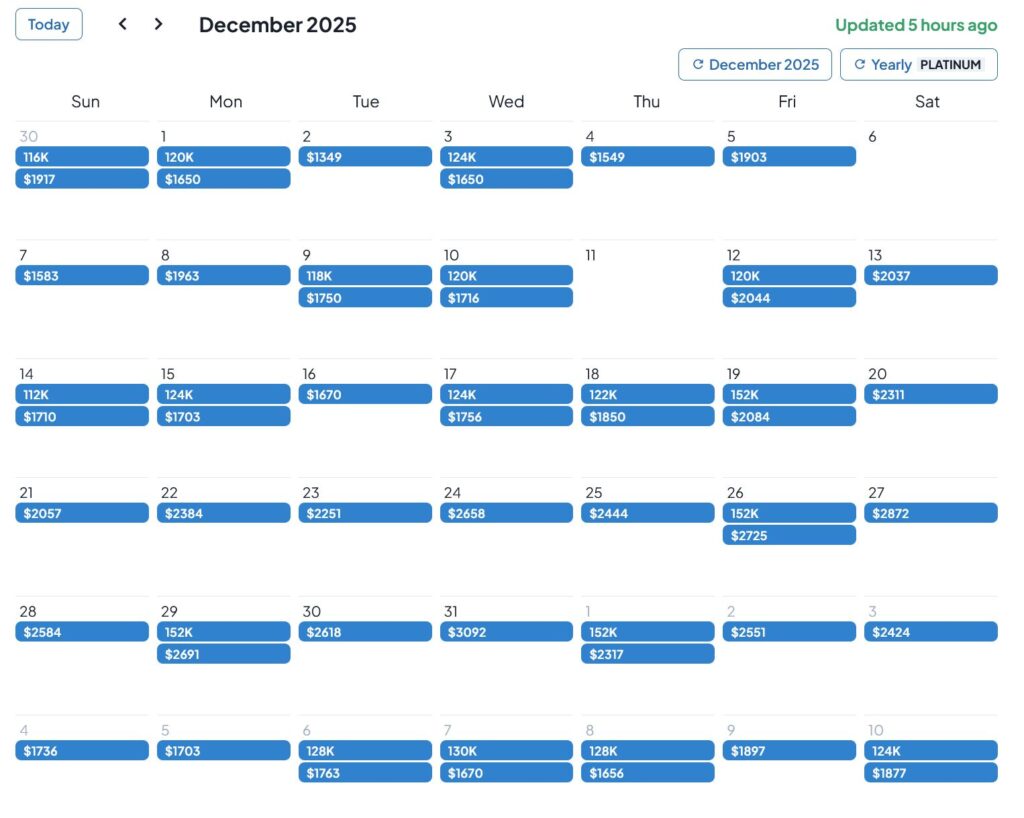
First, Marriott tightly controls how many points members can buy. You’re capped at 100,000 points per year, unless they’re running a promotion. Even then, the most you can usually purchase is around 150,000 points. That’s barely enough for a one-night stay at a top-tier hotel like the St. Regis Bora Bora, which costs 112,000 points per night at the standard level.
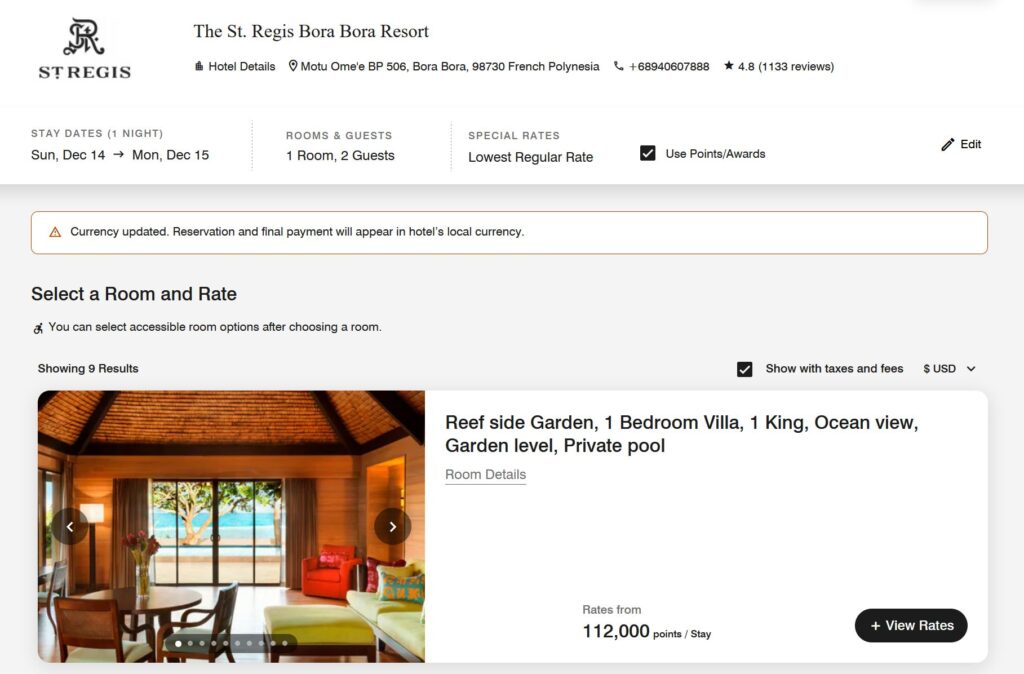
The cash price for that same night is around $2,199 including taxes and fees. So even at 112,000 points, you’re getting decent value — around 1.53 cents per point — but that’s just for a single night. If you want to stay longer, you’ll likely encounter fluctuating point prices due to Marriott’s dynamic pricing model, or worse, be forced to pay cash because no base rooms are available for redemption.

The only real benefit is the fifth night free on award stays, but that’s only helpful if you can actually find four consecutive nights of award availability. This can be difficult at aspirational properties where base rooms are often inventory-controlled or completely blocked out during peak travel seasons.
The Points Purchasing and Transfer System is a Mess
Here’s where it gets really frustrating. Marriott only allows members to purchase 100,000 points per year. That’s not enough for most high-end redemptions.
Yes, you can transfer points from other Marriott members, up to 500,000 points per year into one account. But there’s a catch: each individual account can only send 100,000 points, so you’d need to involve at least four additional accounts to pull off a major redemption like five nights at the St. Regis Bora Bora during off-season, which would cost around 480,000 points. Even during their best recent sale, where points were priced at 0.83 cents each, the cash needed to get all those points would still be $3,984.
Want to stay longer? You’ll need to create even more accounts, pool the points into a second “master” account, and then call Marriott support to try and link the reservations together. This is to avoid having to check out and check back in again under a new name, which adds even more complication.
It gets worse. In order to transfer points, each Marriott account must be:
- At least 30 days old with qualifying activity, or
- At least 90 days old with no activity
Plus, Marriott only allows two transfers per month per account and a maximum of six transfers per year. This means to consolidate the full 500,000 points, you’d need to space out the transfers over a three-month window, assuming everything goes perfectly and Marriott doesn’t suddenly change the rules or further devalue the program.
And if you want to do another large redemption within the same year, you’d better have six more Marriott accounts, all aged and ready to transfer points into another master account.
Technically, Marriott prohibits opening multiple accounts just to buy and pool points. It’s against their terms. But unless you blatantly admit this to support, they likely won’t shut down your account. Still, you’re walking a fine line.
Marriott Points Are Also Expensive
Unlike Hilton or IHG, Marriott rarely offers good points sales. Hilton and IHG frequently run 100% bonus promotions, bringing their point cost to around 0.5 cents per point. Marriott’s best deal in recent years was a 50% bonus in July 2024, which brought their cost down to 0.83 cents per point.
Even at the best sale price, Marriott points are still significantly more expensive than other hotel programs.
Luxury Hotels, But Not Luxurious Redemptions

Marriott’s luxury brands — St. Regis, Ritz-Carlton, Edition, and others — are world-famous and often incredible properties. But if you plan to use points for these stays, you’ll need to spend months preparing.
That means:
- Stockpiling points far in advance
- Managing multiple accounts
- Dealing with transfer rules and restrictions
- Searching endlessly for award availability
Even with all that effort, you often won’t get the kind of outsized value you can get from airline miles or first-class flight redemptions.
Final Thoughts
Marriott Bonvoy has the largest hotel footprint in the world and a diverse portfolio that no other brand can match. But if you’re trying to maximize value through their loyalty program, you’re going to run into roadblocks, restrictions, and a lot of fine print.
Unless you’re already sitting on a stash of Marriott points or staying frequently enough to earn them organically, the system is more frustrating than it’s worth for aspirational travel.
Planning a high-end stay with points shouldn’t feel like hacking your way through bureaucracy. Yet with Marriott, that’s exactly what it feels like.